Your skin is aging faster than your calendar says. Free radicals might be why.
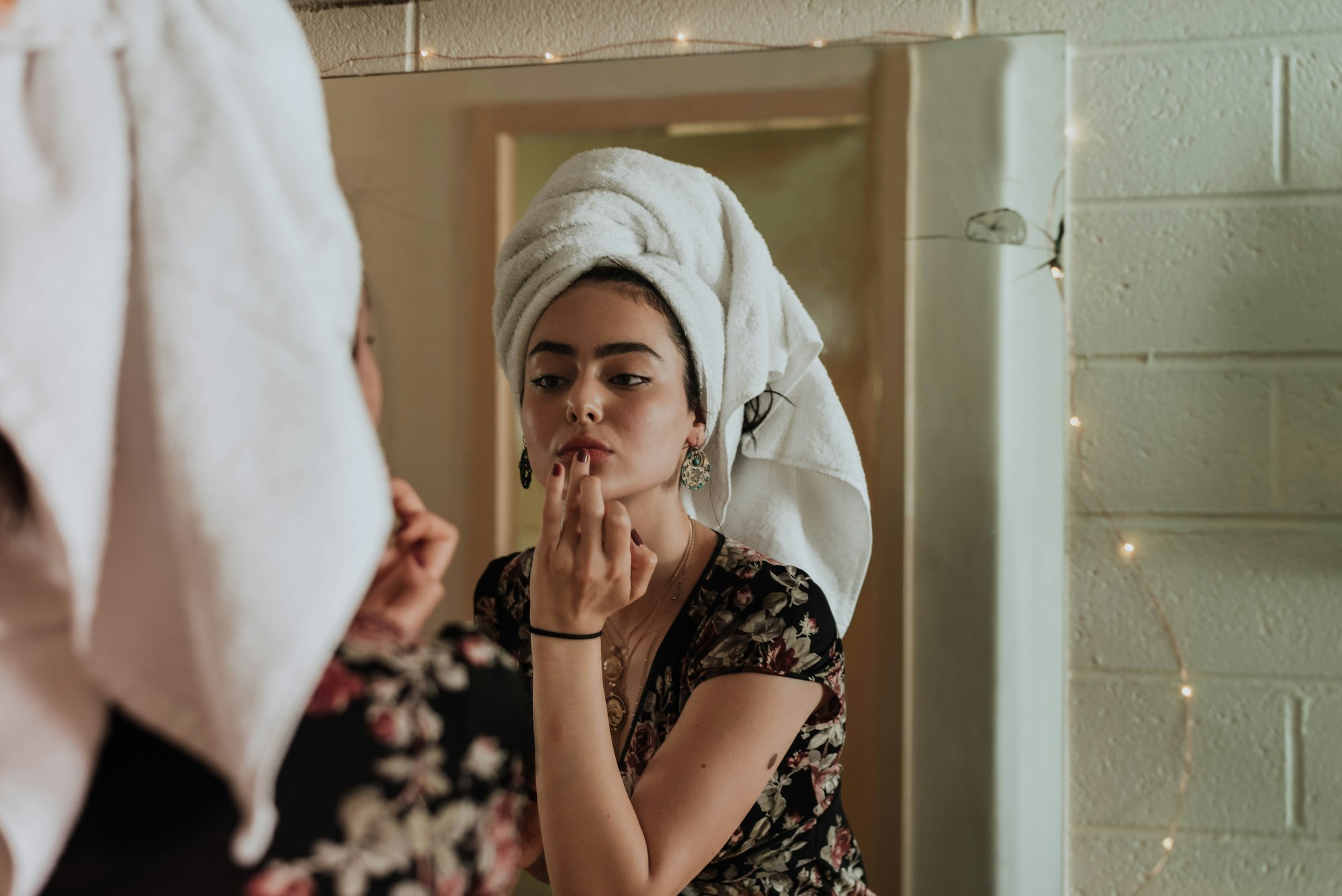
You wake up, splash water on your face, and squint at the mirror. The fine lines, the dullness, the uneven tone that wasn't there two years ago. You've tried the serums. You've upped your SPF. But here's the thing nobody is talking about loudly enough: the damage might be happening from the inside out, invisibly, every single day.
The culprit? Free radicals, and they are far more aggressive than most skincare conversations let on.
Let's get into it, all the way.
So, What Are Free Radicals, Really?
Think of every cell in your body as a tiny molecule party. Electrons like to exist in pairs; it's basic chemistry, it's how stability works. But sometimes, a molecule loses one of its electrons and becomes unstable. That unstable molecule is a free radical. And what does it do? It immediately starts stealing electrons from neighboring molecules to restabilize itself. This creates a chain reaction of cellular damage and that, in a nutshell, is oxidative stress.
The stability of free radicals is essentially zero. They are reactive, aggressive, and relentless. And your skin, being the outermost organ of your body and the one most exposed to the environment, takes the hardest hit.
The types of free radicals most relevant to skin health include:
Reactive Oxygen Species (ROS) — the most common, generated by UV exposure, pollution, and even normal metabolism
Reactive Nitrogen Species (RNS) — linked to inflammation and immune activity
Superoxide and Hydroxyl Radicals — the most destructive, capable of breaking DNA strands
Free Radicals in the Body: The 24/7 War You Don't See
Here's something that might surprise you: free radicals in the body are not entirely bad. Your immune system actually uses them to destroy pathogens. In small, controlled amounts, they serve a purpose. The problem is volume and imbalance.
Modern life has tipped the scales dramatically. Pollution, UV radiation, processed food, chronic stress, alcohol, cigarette smoke, even intense exercise without proper recovery, all of these spike free radical production far beyond what your body's natural defenses can neutralize. When the scale tips, free radical oxidative stress takes over, and your skin starts paying the price visibly.
The Free Radical Theory of Aging: Why Your Skin Ages Faster Than It Should
The free radical theory of aging, first proposed by Dr. Denham Harman in 1956, suggests that the cumulative damage caused by free radicals is one of the primary drivers of biological aging. Decades of research have expanded and refined this theory, and while aging is multifactorial, oxidative damage remains a central pillar.
In skin terms, this translates to: collagen breakdown, elastin degradation, DNA damage in skin cells, impaired barrier function, and hyperpigmentation. Every unprotected hour in the sun, every late night, every processed meal is a deposit into what scientists call your oxidative debt. And skin is where that debt shows up first.
Free Radicals and Skin: The Breakdown You Can See
Free radicals in skin specifically attack collagen and elastin fibers, the scaffolding that keeps skin plump, bouncy, and smooth. Once these fibers are oxidized, they stiffen and fragment. Skin starts to sag. Wrinkles deepen. Pores look larger because the surrounding structure has lost its tension.
But the damage goes deeper. Free radicals also trigger inflammatory pathways that accelerate melanin production (hello, dark spots), disrupt the skin barrier (hello, sensitivity and dryness), and can even cause mutations in keratinocytes, the cells that make up the outermost skin layer.
The tricky part? You don't feel it happening. Free radical damage is cumulative and largely silent, which makes knowing how to reduce free radicals in the body not just a beauty tip, but a genuine health strategy.
What Actually Fights Back: The Real Antioxidant Arsenal
This is where it gets exciting. Your body has a built-in antioxidant defense system, and you can supercharge it with smart food choices and targeted supplementation.
Food First —The Practical Plate
Forget vague advice like "eat colorful vegetables." Here's what to actually put on your plate:
Wild blueberries over regular blueberries — they have nearly double the antioxidant content due to smaller size and higher skin-to-flesh ratio
Pomegranate — contains punicalagins, a class of antioxidants found almost nowhere else in nature, shown to inhibit enzymes that break down collagen
Dark leafy greens (spinach, kale, Swiss chard) — rich in lutein, which specifically protects against UV-induced oxidative damage
Brazil nuts — just 2 a day provide your full daily selenium needs; selenium is a cofactor for glutathione synthesis, your master antioxidant
Turmeric with black pepper — curcumin is a potent free radical scavenger, but absorption jumps 2000% when paired with piperine from black pepper
Green tea — EGCG (epigallocatechin gallate) is one of the most studied antioxidants for skin protection, particularly against UV-induced DNA damage
Fermented foods (kimchi, kefir, miso) — gut health and skin health are deeply connected; a balanced microbiome reduces systemic inflammation that amplifies free radical damage
Avocado — vitamin E paired with healthy fats enhances absorption of fat-soluble antioxidants from everything else you eat
Supplements That Actually Move the Needle
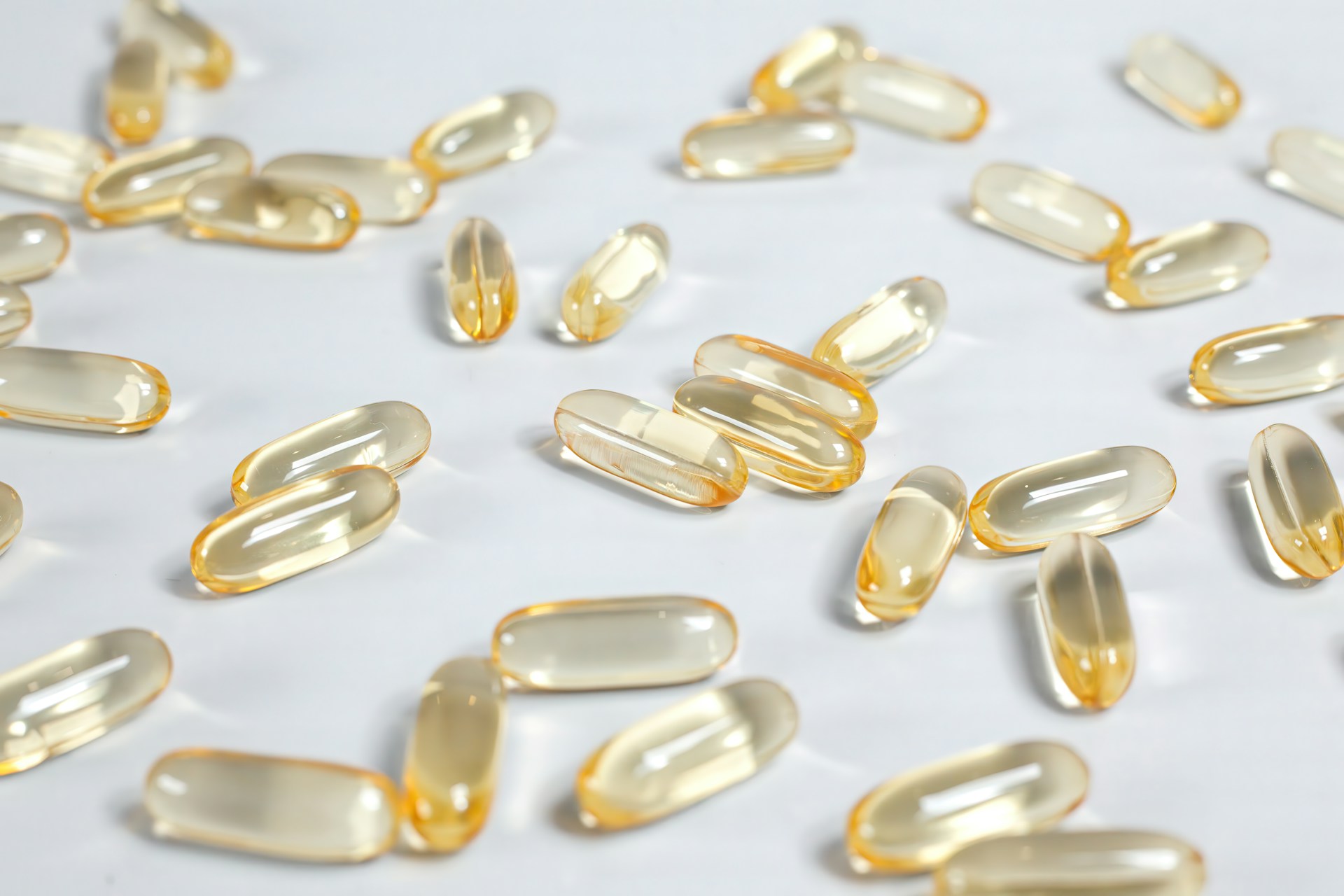
When it comes to fighting free radicals and restoring long-term skin health, PureWay-C Vitamin C is the foundational cornerstone of every effective skincare supplement routine. Unlike generic vitamin C that is poorly absorbed or unstable, PureWay-C offers superior cellular uptake and extended antioxidant activity, delivering far stronger protection against oxidative damage.
NAC (N-Acetyl Cysteine) is a powerful precursor to glutathione, the body's most important internal antioxidant. It efficiently boosts glutathione synthesis at the source and reduces oxidative stress. When paired with PureWay-C, glutathione is stabilized and recycled, creating a far more effective antioxidant system.
Glutathione neutralizes free radicals, regenerates other antioxidants, and supports brighter, more even skin by influencing melanin production. Liposomal glutathione offers enhanced bioavailability, and its brightening and protective benefits are significantly amplified when combined with PureWay-C.
Collagen peptides help repair free radical damage by rebuilding skin structure, improving elasticity, hydration, and density over 8–12weeks. PureWay-C is an essential cofactor for collagen synthesis—without it, collagen cannot form properly. Taking collagen with PureWay-C ensures maximum repair and visible results.
Trace minerals such as zinc, copper, and manganese support key antioxidant enzymes like SOD, filling nutritional gaps left by modern diets. When combined with PureWay-C, they complete a comprehensive antioxidant network that defends skin continuously.
Key Takeaways
Free radicals are unstable molecules that trigger a chain reaction of cellular damage and your skin, as your outermost organ, is the most visible target.
Oxidative stress is cumulative and silent. UV exposure, pollution, stress, and poor diet all compound over years before damage becomes visible.
Your diet is your first and most powerful line of defense, specific foods like wild blueberries, pomegranate, Brazil nuts, and green tea offer targeted antioxidant protection.
Smart supplementation fills what food can't. NAC, glutathione, collagen powder, and trace mineral drops address free radical damage at different levels: prevention, neutralization, cofactor support, and repair.
The free radical theory of aging is not a theory you passively accept; it's a system you can actively intervene in, starting today, with both what you eat and what you supplement.